
How to Compare Roofing Estimates Without Getting Lost in the Numbers
Two bids for the same roof can be thousands of dollars apart. Here's how to tell whether they're even pricing the same job.
Justin Shirley · CEO, State Roofing & Exteriors · President, RCAW
8 min read
Published
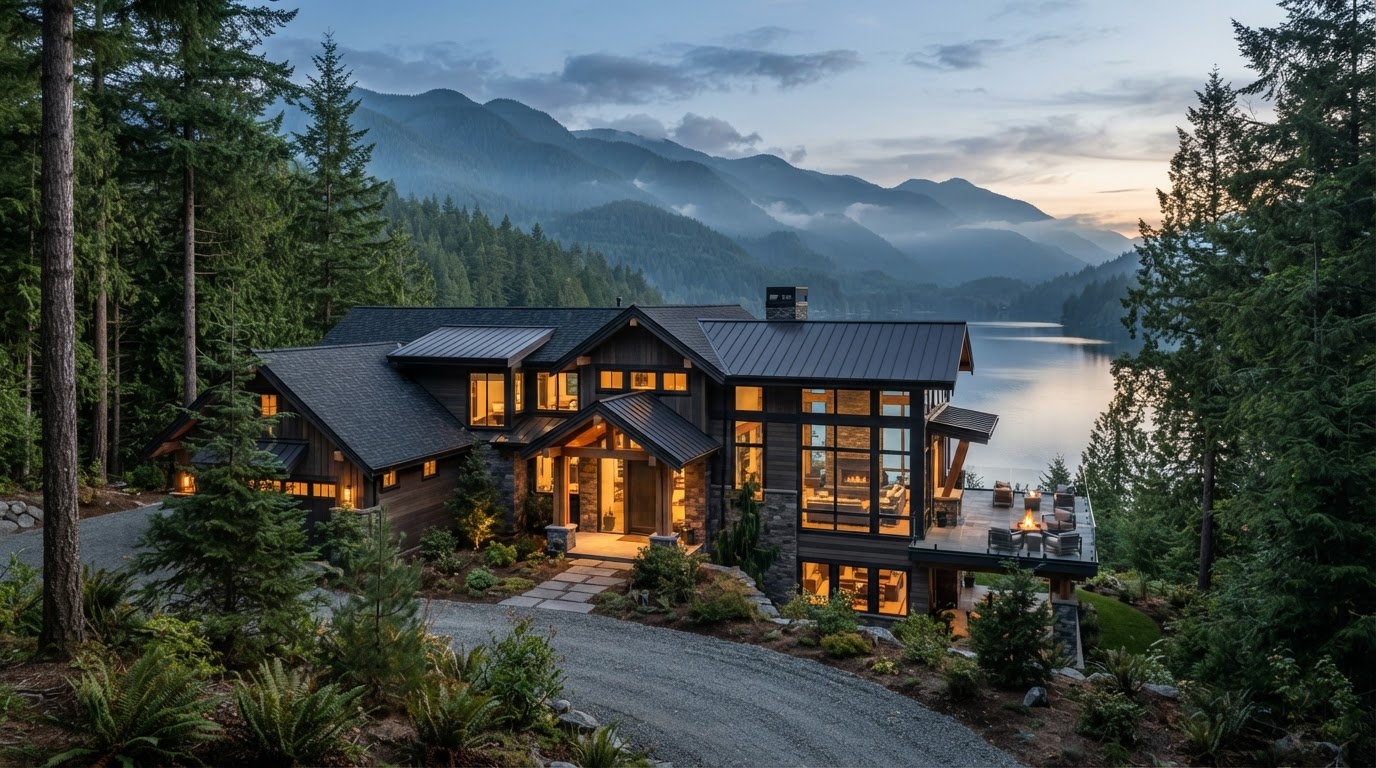
A properly specced roof isn't the cheapest one — it's the one that's still holding water in year fifteen.
The short version
- ✓A lower price usually means a smaller scope, not a better deal. Line up the scope before you look at price.
- ✓The big differences hide in five places: tear-off, decking, flashing, ventilation and warranty.
- ✓Ask every contractor to price damaged decking per sheet, so surprises have a ceiling.
- ✓Price per square only means something once the scopes match.
When two estimates for the same house are thousands of dollars apart, usually nobody is lying. They're pricing different roofs. Your job is to get them pricing the same one.
1. Start with the scope
Before you look at a single price, make sure each bid describes the same job:
- ✓Tear-off or overlay, and how many existing layers come off
- ✓How many squares (a square is 100 square feet of roof). Measurements should land close to each other; if one is far off, ask how they measured.
- ✓Which areas are included: detached garage, porch roofs, low-slope sections
- ✓A waste allowance for hips, valleys and steep pitches, which use more material
2. Decking: the line that changes the final bill
Nobody knows what the deck looks like until the old roof comes off. A good estimate says how that will be handled: a per-sheet price for replacing damaged plywood, and how many sheets are included, if any.
A bid with no decking line isn't cheaper. It just hasn't told you yet.
3. Materials, by name
"Architectural shingles" isn't a spec. Look for the manufacturer, the product line and the color. Then check the rest of the system:
- ✓Synthetic underlayment across the deck
- ✓Self-adhering ice-and-water membrane in valleys, around penetrations, and anywhere code or the manufacturer calls for it
- ✓Starter strip and ridge cap from the same manufacturer as the shingles
- ✓Drip edge along the eaves and rakes
- ✓New pipe boots and vent flashing
Many manufacturers only offer their stronger warranties when their own components are used throughout, so a mixed system can cost you coverage.
4. Flashing: new or reused?
Many leaks start at the flashing, not in the middle of the shingles. Check what each bid says about step flashing along walls, chimney flashing and counterflashing, skylights and valleys.
The key question is whether it's replaced or reused. Reusing old metal saves money today and often costs more later.
5. Ventilation
An attic needs balanced intake at the soffits and exhaust at or near the ridge. In the Northwest, poor ventilation traps moisture: condensation, mildew and a shorter roof life.
Ask whether the contractor will check and correct the ventilation, or just replace whatever vents are there now.
6. Warranty: two different things
- ✓Manufacturer warranty covers the materials. Enhanced versions can cover labor too, usually only when a certified installer puts on the full system and registers it.
- ✓Workmanship warranty comes from the contractor and covers the installation. Ask how many years, what it covers, and what happens if the company is no longer around.
Get both in writing.
7. The paperwork that protects you
- ✓Washington contractor registration, bond and insurance. You can check any contractor with L&I's Verify a Contractor tool: https://secure.lni.wa.gov/verify/
- ✓The permit: who pulls it, and is it included in the price?
- ✓The payment schedule: how big the deposit is, and what triggers each payment. Final payment should come after the work and cleanup are done.
- ✓Who's on your roof: the company's own crew or subcontractors, and who your point of contact is
- ✓Cleanup: dumpster, tarps over landscaping, and a magnetic nail sweep
Line them up side by side
Put every bid on one sheet. Any blank cell is a question to ask before you sign.
| Item | Bid A | Bid B | Bid C |
|---|---|---|---|
| Tear-off or overlay (layers removed) | |||
| Squares measured | |||
| Decking price per sheet (sheets included) | |||
| Shingle brand, line and color | |||
| Underlayment and ice-and-water membrane | |||
| Flashing: new or reused | |||
| Ventilation work | |||
| Manufacturer warranty | |||
| Workmanship warranty (years) | |||
| Permit included | |||
| Payment schedule | |||
| Total price |
Once the rows match, compare price. That's also when price per square starts to mean something.
Justin's rule of thumb
If one bid is far below the others, find out what's missing before you get excited.
Want this as a printable sheet?
Get the free Roof Estimate Checklist and hold every bid up to it.
Common questions
Why are two roofing estimates for the same house so different?
Usually because they're pricing different jobs: tear-off versus overlay, different materials, flashing replaced or reused, ventilation work, decking allowances and warranty.
What should a roofing estimate include?
The scope (tear-off or overlay and squares measured), materials by brand and product line, underlayment and ice-and-water membrane, flashing, ventilation, a per-sheet decking price, warranties, the permit, the payment schedule and cleanup.
How do I check that a Washington roofing contractor is registered?
Use the Washington L&I Verify a Contractor tool to confirm the contractor's registration, bond and insurance before you sign.

Justin Shirley
Justin Shirley is CEO of State Roofing & Exteriors and President of the Roofing Contractors Association of Washington (RCAW).
More about Justin